
Singapore mahjong rules
Singapore mahjong scoring guide: tai, points and house rules
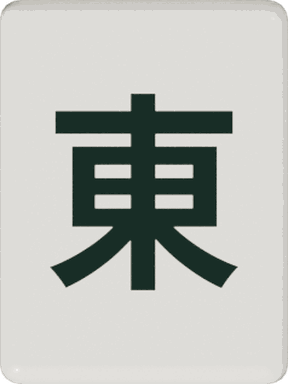
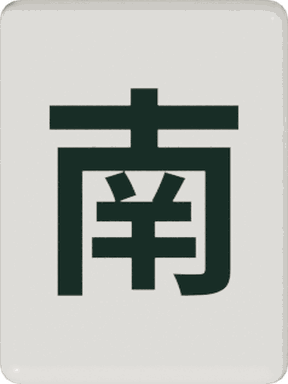
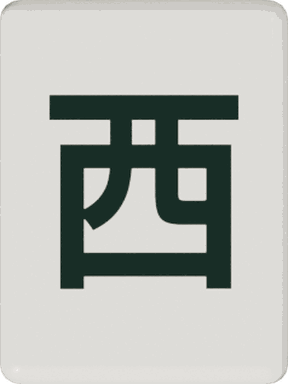
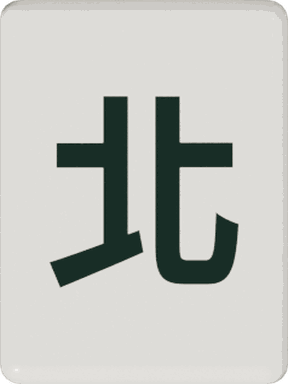
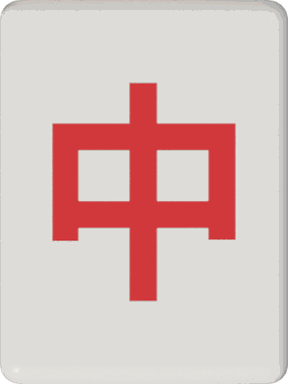
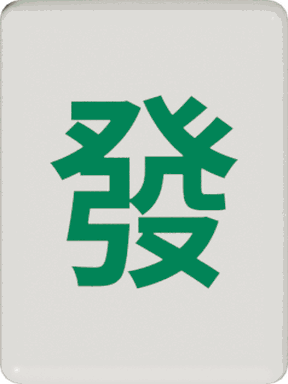
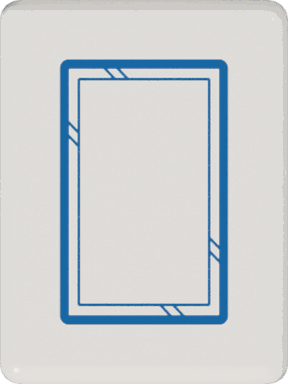
Singapore mahjong is scored in tai (台). Every winning hand is counted for its tai, the tai decide how many points each loser gives, and everything is capped at five tai. This guide lists every pattern the way it is counted at Singapore Mahjong Club tables, so you can sort out an argument mid-hand or check why a hand scored the way it did. The same rules run in solo practice and at online tables.
How scoring works
Four players, 148 tiles: three suits of 1 to 9 (bamboo, characters and dots), the four winds, the three dragons, eight flowers and seasons, and the four Singapore animals (cat, rat, rooster and centipede). A winning hand is four sets and a pair: a chow is three consecutive tiles in one suit, a pong is three identical tiles, and a kong is four identical tiles, which earns a replacement draw. Flowers and animals are never part of the fourteen; they sit beside your hand and add tai on their own.
- Minimum tai. The usual table needs at least 1 tai to declare a win. A hand with no tai is a chicken hand and only wins where the table allows a 0-tai minimum. Tables can also require 2 or 3 tai.
- Five-tai cap. Tai are added together and then capped at five. A full flush (4) with all pongs (2) is worth 5, not 6. Limit hands score 5 outright.
- Table points. A table's point value is quoted as a pair such as 1/2: the lower number is the one-tai amount an ordinary loser gives, the higher number is what the discarder, or each player on a self-draw, gives. At the club, balances are points for scorekeeping only; nothing can be withdrawn or exchanged.
Who gives points
When a hand is won, the three losers give the winner points for the tai. How they share that depends on how the winning tile arrived:
- Self-draw. Every other player gives the winner the full amount for the tai.
- Discard win, shooter covers all (the default). The player who discarded the winning tile, the shooter, gives the points for all three losers. The other two give nothing.
- Discard win, all three share. The discarder gives the full amount and the other two players give half each.
- Bao. When one player is responsible for the win, that player covers all, even when the winner self-draws. See bao below.
A drawn hand scores nothing. The only points that move without a win are the extra points for kongs, animals and flowers, collected the moment they appear (see below).
Points tables
The standard progression doubles with every tai. The figures below are for a 1/2 table; scale by the table points for other tables.
| Tai | Other loser (all three share) | Discarder, or each player on a self-draw | Shooter covers all |
|---|---|---|---|
| 0 (chicken hand) | 0.5 | 1 | 2 |
| 1 | 1 | 2 | 4 |
| 2 | 2 | 4 | 8 |
| 3 | 4 | 8 | 16 |
| 4 | 8 | 16 | 32 |
| 5 | 16 | 32 | 64 |
Some tables prefer a gentler, rounded progression, often called a 3/6 table. The club offers it as an option:
| Tai | Other loser (all three share) | Discarder, or each player on a self-draw | Shooter covers all |
|---|---|---|---|
| 0 (chicken hand) | 1 | 1 | 3 |
| 1 | 1 | 2 | 4 |
| 2 | 2 | 3 | 7 |
| 3 | 3 | 5 | 11 |
| 4 | 5 | 10 | 20 |
| 5 | 10 | 20 | 40 |
Extra points for kongs, animals and flowers are collected straight away, outside the hand's tai, from every other player. On a 1/2 table: an exposed kong, a cat-and-rat pair, a rooster-and-centipede pair, or your seat's flower together with your seat's season each collect 2 from every player; a concealed kong, all four animals, all four flowers or all four seasons collect 4 from every player. Pairs already present in the original deal score double when the table keeps the opening double rule on, which is the default.
Animals, flowers and seasons
Bonus tiles are revealed as soon as you draw them and replaced from the back of the wall. They count towards tai whether you eventually win by self-draw or on a discard.
| Tiles | Tai |
|---|---|
| Each animal (cat, rat, rooster, centipede) | 1 each |
| Each flower or season matching your seat (East 1, South 2, West 3, North 4) | 1 each |
| All four animals | +1 (5 in total, the cap) |
| All four flowers, or all four seasons | +1 for each complete set |
A flower or season belonging to another seat scores nothing, although it still counts towards a complete set. Because a full set of animals is already worth 5, an "all chows with bonus tiles" hand is the only pattern that needs a bonus tile to exist: see pin hu below.
Tai patterns
| Pattern | Tai | Notes |
|---|---|---|
| Dragon triplet (red, green or white) | 1 each | Pong or kong, exposed or concealed. |
| Seat wind triplet | 1 | Your own wind for this hand. A triplet of the round wind is 1 more. |
| Round wind triplet | 1 | East in the East round, South in the South round, and so on. |
| All chows with at least one bonus tile (pin hu) | 1 | Four chows and a pair that is not a dragon, your seat wind or the round wind. A discard win must come from a two-sided wait; a self-draw always qualifies. |
| Flowerless pin hu | 4 | The same shape with no flowers, seasons or animals at all. |
| All pongs | 2 | Four pongs or kongs and a pair. |
| Half flush | 2 | One suit plus wind or dragon tiles. |
| Full flush | 4 | One suit and nothing else. |
| Mixed terminals | 2 | Only 1s, 9s and honour tiles, with at least one of each. |
| Little three dragons | +1 | Two dragon triplets and a pair of the third, on top of the 2 tai for the triplets. |
| Little four winds | 4 | Three wind triplets and a pair of the fourth, plus any seat or round wind tai. |
| Seven pairs | 2 | Seven distinct pairs; four identical tiles do not count as two pairs. Off by default, tables can turn it on. |
| Concealed self-draw | 1 | Won by self-draw with no exposed sets. Concealed kongs are fine. |
| Kong replacement win | 1 | Winning on the replacement tile drawn after declaring a kong. |
| Flower replacement win | 1 | Winning on the replacement tile drawn after a flower or animal. |
| Last tile from the wall | 1 | Self-drawing the final playable tile. The last fifteen tiles are never drawn. |
| Robbing the kong | 1 | Winning on the tile another player adds to an exposed pong. Concealed kongs cannot be robbed. |
Limit hands: the five-tai cap
Each of these scores the cap outright, whatever else is in the hand.
- Heavenly hand. The dealer wins with the fourteen tiles as dealt.
- Earthly hand. A non-dealer wins on the dealer's very first discard, before any kong.
- Thirteen wonders. One of every 1, 9, wind and dragon plus a duplicate of any of them, fully concealed.
- All honours. Only winds and dragons.
- Pure terminals. Only 1s and 9s.
- All green. Only 2, 3, 4, 6 and 8 of bamboo and the green dragon.
- Big three dragons. Triplets of all three dragons.
- Big four winds. Triplets of all four winds.
- Four kongs. Four declared kongs and a pair.
- Four concealed triplets. Four concealed pongs completed by self-draw.
- Nine gates. Concealed 1-1-1-2-3-4-5-6-7-8-9-9-9 in one suit, waiting on any tile of that suit.
With the instant honours rule, on by default, a hand is complete and worth the cap the moment it holds all three dragon triplets or all four wind triplets, without waiting for the rest of the tiles to form sets and a pair.
Bao: the responsibility rule
Bao (包) makes one player responsible for a win they made possible. Instead of the usual split, the responsible player covers all: they give the winner the points for all three losers, the shooter amount on a discard win, or three times the self-draw amount if the winner draws the tile themselves. The club applies bao, on by default, in these situations:
- Discarding the tile that completes an exposed big three dragons or big four winds, when the other two dragon triplets or three wind triplets are already on the table.
- Feeding a pong or kong that leaves a player with all three dragon triplets or all four wind triplets exposed, or feeding a dragon, seat-wind or round-wind pong that takes a player's visible tai to five.
- Feeding an exposed full flush: three or more exposed sets in one suit.
- A fresh discard in the last three draws: a tile nobody has discarded before, thrown when fewer than four playable tiles remain.
House rules a table can change
- Discard win: shooter covers all (default) or all three share. Progression: doubling (default) or the rounded table. Minimum tai: 0 to 3, default 1.
- Dealer rotation. By default the dealer keeps the deal after winning. After a drawn hand the dealer stays unless a kong was declared during the hand; tables can choose that the dealer always stays or always moves on.
- Rounds. One round is one full wind: the deal goes once around the table, at least four hands, more when the dealer repeats. A session is the East round, East and South, or all four winds.
- Claims. A win beats a kong, which beats a pong, which beats a chow. A chow can only be taken from the player before you. If two players can win on the same tile, the nearest in turn order wins.
- Missed-discard restriction (on by default). After passing on a tile you could have won or ponged, you cannot claim that tile until you have drawn or called. Your own last discard is restricted the same way.
- False wins. A false declaration (诈胡) is prevented automatically at the club: Hu is only offered when the hand is valid and meets the minimum tai, so no penalty is needed.
- The wall. The last fifteen tiles stay unplayed. Replacement tiles for flowers and kongs come from the opposite end of the wall. A hand with no winner is a draw and scores nothing; extra points already collected during it stay.
Common questions
How many tai do you need to win?
Usually 1. A 0-tai chicken hand only wins where the table allows it, and the score is always capped at 5 tai.
How much is a half flush or a full flush?
A half flush is 2 tai; a full flush is 4 tai. Either combines with triplet tai up to the cap.
What does “shooter covers all” mean?
The player who discards the winning tile gives the points for everyone. On a 1/2 table a 1-tai win costs the shooter 4 points, the same total the three losers would give together under all three share (2 + 1 + 1).
Do animals count if I do not win?
Their extra points do: pairs and complete sets collect points the moment you draw them. The tai they carry only matter when you win the hand.
Why did my all-chows hand score nothing extra?
Pin hu needs a pair that is not a dragon, seat wind or round wind, and a discard win needs a two-sided wait. A single-tile wait or an honour pair drops the pattern.
Ready to try it at the table? Play a free practice wind against three computer opponents, or start a table with friends.